
Becoming a mother is one of life's greatest joys—and one of its biggest physical changes. Many new mothers wonder when and how they can safely lose the weight gained during pregnancy. The good news? With the right approach, patience, and professional guidance, post-pregnancy weight loss is achievable. Let's explore what you need to know.
Why Weight Gain Happens in Pregnancy
During pregnancy, your body gains weight to support your baby, placenta, amniotic fluid, and increased blood volume. This is healthy and necessary. On average, Indian mothers gain 10-15 kg during pregnancy. After delivery, some weight drops immediately—your baby, placenta, and fluids account for about 5-6 kg. The rest takes time to lose naturally.
The Timeline Matters
If you delivered vaginally, you can start gentle movement after 6 weeks, once your doctor gives clearance. If you had a caesarean section, wait until 8-12 weeks because it's major surgery. Breastfeeding mothers should wait longer before aggressive dieting—your body needs extra calories to produce milk. Rushing weight loss can reduce milk supply and leave you exhausted. Your LIFE Clinics doctor or dietitian will assess your individual timeline based on your delivery type and current health.
Why Crash Diets Don't Work
After pregnancy, your body is already stressed. You're sleep-deprived, your hormones are shifting, and if breastfeeding, your metabolism is working hard. Crash diets or extreme exercise can backfire. They increase fatigue, weaken immunity, and can lead to nutrient deficiencies that affect milk quality and your own recovery. Sustainable, gradual weight loss is safer and more likely to stay off.
The Role of Nutrition
Instead of cutting calories drastically, focus on eating nutrient-dense foods. Include whole grains, lean proteins, healthy fats, and plenty of vegetables and fruits. Protein is especially important—it helps preserve muscle, keeps you full longer, and supports milk production if breastfeeding. Stay hydrated; drink water throughout the day. Many mothers confuse thirst with hunger.
If you're breastfeeding, you need about 300-500 extra calories daily compared to pre-pregnancy. Your dietitian at LIFE Clinics can create a meal plan that supports both weight loss and milk supply. If you're not breastfeeding, weight loss can happen more quickly, but still gradually—aim for 0.5-1 kg per week.
Getting Moving Safely
Start with walking—it's low-impact, doable with a pram, and doesn't require childcare. Begin with 10-15 minutes daily and gradually increase. After your doctor's clearance, add pelvic floor exercises; pregnancy and delivery weaken these muscles, affecting continence. Gentle yoga or postpartum-specific fitness classes are excellent choices.
As you progress, strength training becomes valuable. It rebuilds muscle lost during pregnancy, boosts metabolism, and improves posture—crucial after months of carrying extra weight and a baby. Avoid high-impact activities until you're stronger and your pelvic floor has recovered.
The Hormonal Component
Post-pregnancy hormones fluctuate significantly. If breastfeeding, prolactin levels remain elevated. If not, oestrogen and progesterone drop sharply. These shifts affect appetite, metabolism, mood, and where your body stores fat. This is why a one-size-fits-all approach rarely works. Our doctors and dietitians at LIFE understand these hormonal changes and tailor advice accordingly.
Managing Sleep and Stress
Sleep deprivation slows metabolism and increases hunger hormones. While newborn schedules make 8 hours impossible, try to rest when your baby rests. Stress raises cortisol, which can lead to stubborn belly fat. Practice simple relaxation—deep breathing, short walks, or meditation. Ask family for support so you can prioritize rest.
Don't Forget Mental Health
Body image concerns are real after pregnancy. Your body has done something remarkable. Weight loss takes months, sometimes over a year. Be patient and kind to yourself. If you're struggling with mood, anxiety, or feeling overwhelmed, speak to your doctor. Post-pregnancy depression or anxiety can interfere with weight loss efforts.
When to Seek Professional Help
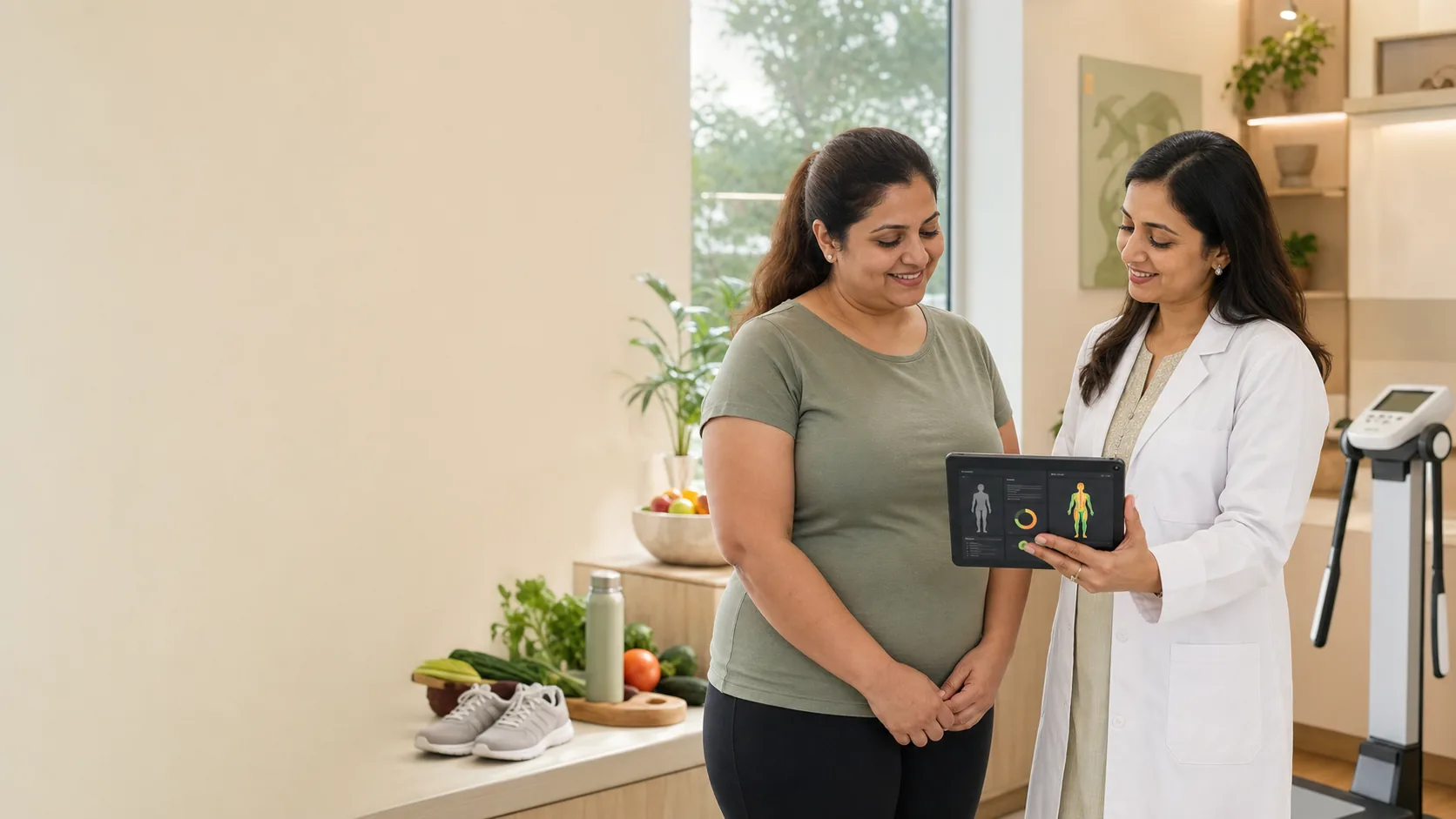
Every mother's body is different. Factors like age, pre-pregnancy weight, overall health, breastfeeding status, and activity level all influence how quickly weight comes off. This is why a consultation with LIFE Clinics' team—our doctors, dermatologists, and dietitians—is valuable. They'll assess your individual situation, check your nutrition, monitor your energy levels, and ensure you're losing weight safely.
Your Journey, Your Timeline
Post-pregnancy weight loss isn't a race. Your body created and nourished life; be grateful for its strength. With balanced nutrition, gradual movement, adequate rest, and professional guidance, you'll reach your goals. Book a consultation with LIFE Clinics today to start your personalized post-pregnancy wellness journey.